
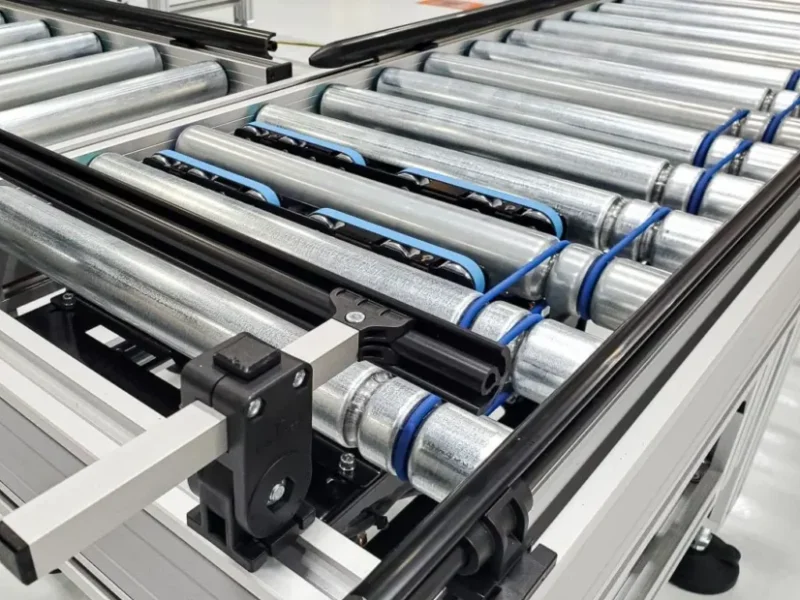
Industrial High-Temperature Conveyor Belt | RFQ Sourcing Details
Dock Bumpers · Quote on request
This is a product procurement detail page: check specs, images, category context and related sourcing paths before sending an RFQ.
Quote on requestProduct specs
Buyer's Digest
Use this page as a product-first sourcing checkpoint before sending an RFQ. Category: Dock Bumpers. Confirm application fit, capacity, materials, destination, lead time and compliance requirements before comparing suppliers.
Original product description
Home > Porducts Detail Industrial High-Temperature Conveyor Belt 02/09/2025 admin In industrial production and logistics, conveyor belts are indispensable equipment widely used in high-temperature environments.
However, traditional conveyor belt materials are prone to expansion, deformation, and strength reduction under high temperatures, affecting production efficiency and equipment lifespan. Therefore, selecting suitable heat-resistant conveyor belt materials is crucial.
This article explores the challenges of high-temperature environments, material selection, and application cases.
Challenges for Conveyor Belts in High-Temperature Environments Conveyor belts in high-temperature environments face several challenges, including: Material Expansion and Deformation : Increased temperature causes conventional materials to expand, reducing conveyor belt stability.
Strength Reduction : High temperatures weaken mechanical properties, increasing the risk of breakage and damage. Reduced Wear Resistance : Materials conveyed in high-temperature conditions may cause additional wear on the conveyor belt.
Chemical Reactions : High-temperature environments may lead to chemical reactions between the conveyor belt material and transported materials, affecting its service life. To , selecting conveyor belt materials with excellent heat resistance is essential.
Selection of High-Temperature Conveyor Belt Materials Different high-temperature environments require different types of conveyor belt materials. Below are some common heat-resistant conveyor belt materials and their characteristics: 1.
Polytetrafluoroethylene (PTFE) Conveyor Belt Temperature Range : -200°C to +260°C Characteristics : Low friction coefficient, reducing wear High chemical stability, resistant to acid and alkali corrosion Excellent electrical insulation, suitable for the electronics industry Application Fields : Food processing, semiconductor manufacturing, chemical industry 2.
Polyimide (PI) Conveyor Belt Temperature Range : Up to 300°C+ Characteristics : Excellent mechanical properties, resistant to stretching and tearing Strong corrosion resistance, suitable for harsh environments Maintains stability under high temperatures Application Fields : Refining, metal processing, aerospace 3.
Metal Conveyor Belt (Stainless Steel/Nickel Alloy/Titanium Alloy) Temperature Range : Up to 1000°C+ Characteristics : Suitable for extreme high-temperature environments High strength and rigidity, ideal for heavy-load material transport Corrosion-resistant, suitable for high-temperature chemical environments Application Fields : Steel smelting, coal processing, glass manufacturing 4.
Silicone Rubber Conveyor Belt Temperature Range : -60°C to +200°C Characteristics : Good elasticity and flexibility Suitable for complex-shaped conveyor applications Resistant to chemical corrosion, applicable to certain special environments Application Fields : Food processing, pharmaceutical industry, glass manufacturing Comparison of Heat-Resistant Materials The table below provides a comparison of different materials based on heat resistance, characteristics, and applications: Material Maximum Heat Resistance Key Features Typical Applications PTFE (Polytetrafluoroethylene) 260°C Low friction, chemical resistance Electronics, semiconductors, food transport PI (Polyimide) 300°C+ High strength, heat-resistant Refining, metal processing Metal Conveyor Belt (Stainless Steel) 1000°C+ Extreme heat resistance Coal, metallurgy, glass manufacturing Silicone Rubber 200°C Flexible, high-temperature resistant Glass production, food processing Key Factors in Selecting Heat-Resistant Materials When choosing high-temperature conveyor belt materials, consider the following key factors: Temperature Adaptability : Ensure the conveyor belt remains stable at the operating temperature.
Wear Resistance : Reduce long-term operational wear and extend service life. Chemical Stability : Resistant to acids, alkalis, and oxidizing agents. Strength Requirements : Provide sufficient tensile strength and tear resistance. Lifespan and Cost : Balance durability and cost-effectiveness to select the best solution.
Application Cases 1. Glass Production Industry Challenge : The temperature in glass production reaches up to 1200°C, causing traditional rubber conveyor belts to melt or degrade.
Solution : Using silicone rubber conveyor belts ensures flexibility and stability under high temperatures, reducing downtime and improving production efficiency. 2. Metal Heat Treatment Industry Challenge : Conveyor belts must withstand high temperatures and strong oxidation environments during metal heat treatment.
Solution : Stainless steel conveyor belts operate above 1000°C, resisting high-temperature oxidation and ensuring continuous production. 3. Refining Industry Challenge : High-temperature and high-pressure crude oil transport requires conveyor belts to endure extreme conditions.
Solution : Polyimide conveyor belts provide heat resistance and corrosion resistance, making them suitable for demanding industrial environments. Selecting appropriate high-temperature conveyor belt materials is crucial for production efficiency and equipment lifespan.
In different industries, the right conveyor belt materials can reduce equipment wear, lower maintenance costs, and enhance efficiency. Therefore, companies should consider factors such as temperature range, wear resistance, chemical stability, strength, and lifespan when making selections to ensure optimal performance.
In the future, advancements in material technology—such as nanocoating technology, ceramic composite materials, and in le solutions for industrial production.
Industrial | Applications and Buyer Notes
Industrial is organized as a sourcing-ready Dock Bumpers reference. The page combines visible product or company data with structured procurement cues so buyers can compare application fit, specifications, quantity, quality requirements and lead-time questions
Applications
- Initial shortlist building for related product or supplier options.
- Specification and application fit review before bulk purchasing.
- Category, keyword and detail-page comparison before sending an RFQ.
Key specifications
- Category
- Dock BumpersBased on visible page data; confirm exact value in the RFQ.
- Unit
- setBased on visible page data; confirm exact value in the RFQ.
- Material
- Maximum Heat Resistance Key Features Typical ApplicationsBased on visible page data; confirm exact value in the RFQ.
- applications
- Material Maximum Heat Resistance Key Features TypicalBased on visible page data; confirm exact value in the RFQ.
- PI (Polyimide)
- 300°C+ High strength, heat-resistant Refining, metal processingBased on visible page data; confirm exact value in the RFQ.
- Silicone Rubber
- 200°C Flexible, high-temperature resistant Glass production, food processingBased on visible page data; confirm exact value in the RFQ.
- PTFE (Polytetrafluoroethylene)
- 260°C Low friction, chemical resistance Electronics, semiconductors, food transpBased on visible page data; confirm exact value in the RFQ.
Buyer tips
- State quantity range and split-delivery needs before price comparison.
- Add certification, material or inspection standards when they affect acceptance.
- For time-sensitive projects, include target arrival date and destination.
- For special applications, describe operating condition, installation environment and duty cycle.
FAQ
What should buyers confirm first?
Confirm application, specification, quantity, destination and lead-time requirements before comparing offers.
Can buyers inquire when specs are incomplete?
Yes. Add model, material, size, use case and inspection needs in the RFQ to make replies comparable.
How should this listing be evaluated?
Check title, category, specifications and related keywords against the actual sourcing requirement.
Source mix: ugc
Key specifications
Product sourcing keywords
These terms come from the title, visible copy and specifications, and link into matching aggregate pages.
Continue from this detail page into sourcing structure
These links connect the detail page back to category hubs, procurement aggregates and knowledge pages so new inventory is not isolated.
This URL was refreshed but still has no Googlebot evidence, so it is promoted into shared internal links for crawl discovery.
Internal sourcing path 1 10t Electric Single Girder Overhead Crane Eot CraneThis URL was refreshed but still has no Googlebot evidence, so it is promoted into shared internal links for crawl discovery.
Internal sourcing path Procurement sourcing pathThis URL was refreshed but still has no Googlebot evidence, so it is promoted into shared internal links for crawl discovery.
Internal sourcing path Forklifts And Lifting categoryThis URL was refreshed but still has no Googlebot evidence, so it is promoted into shared internal links for crawl discovery.
Internal sourcing path Conveyors And Sortation categoryThis URL was refreshed but still has no Googlebot evidence, so it is promoted into shared internal links for crawl discovery.
Internal sourcing path Racking Storage And Workshop categoryThis URL was refreshed but still has no Googlebot evidence, so it is promoted into shared internal links for crawl discovery.
Internal sourcing path Hoists Cranes And Carts categoryThis URL was refreshed but still has no Googlebot evidence, so it is promoted into shared internal links for crawl discovery.
Internal sourcing path CompanyThis URL was refreshed but still has no Googlebot evidence, so it is promoted into shared internal links for crawl discovery.
Internal sourcing path 1 5 Ton 2 Ton 3 Ton New 4 Way Forward Forklift Truck Multi Way Electric Reach Forklift With Iso CeThis URL was refreshed but still has no Googlebot evidence, so it is promoted into shared internal links for crawl discovery.
Internal sourcing path 1 5 Ton Electric Forklift With 3m Lift Height Choose Two Wheel Drive For Warehousing Forklift AndThis URL was refreshed but still has no Googlebot evidence, so it is promoted into shared internal links for crawl discovery.
Internal sourcing path 1702 Plastic Flexible Conveyor Chain Plastic Chain And Conveyor ChainThis URL was refreshed but still has no Googlebot evidence, so it is promoted into shared internal links for crawl discovery.
Internal sourcing path 1ton 2ton Electric Forklift Truck 3meter Lifting Height Odm OemThis URL was refreshed but still has no Googlebot evidence, so it is promoted into shared internal links for crawl discovery.
Internal sourcing path 2 5ton Electric Forklift With Ac And Lithium BatteryThis URL was refreshed but still has no Googlebot evidence, so it is promoted into shared internal links for crawl discovery.
Internal sourcing path 2 Tons Electric Forklift Seated New Energy Electric VehicleThis URL was refreshed but still has no Googlebot evidence, so it is promoted into shared internal links for crawl discovery.
 Hongsbelt HS-3900c-N 90 Degree Sorting Conveyor Belt Modular Plastic Conveyor for LogisticsRequest Quote
 Hongsbelt High Quality and Cheap Price Plastic Modular Chain Belt for ConveyorRequest Quote
 Hongsbelt Transfer Plastic Modular Belts Conveyor Belt Modular Belt for Food IndustryRequest Quote
 Hongsbelt HS-1100B-N-EL Rubber Top Modular Plastic Conveyor Belt for Inclining Conveyor LineRequest Quote
 Hongsbelt Flat Top Plastic Conveyor Modular Belt Modular Chain Conveyor for Food Meat Beverage LegoRequest Quote
 Hongsbelt Modular Belting Manufacturers Conveyor Belt ModularRequest Quote
MoveCargoHub related sourcing paths
MoveCargoHub procurement phrases
MoveCargoHub related product samples
Stma 7 Ton 8 Ton Diesel Forklift Truck with Container Mast Optional Colors Carretlla Elevadora 8Ton Diesel Forklift Feat...
Forklifts and Lifting Equipment . A etyof industries. Wolf elescopic boom.. A etyof industries. Wolf elescopic boom. Standard Configurations: Yunnei engine with torque limiter, luxury cabin with...
Forklifts and Lifting Equipment Cheap Price Small Compact. A etyof industries. Wolf elescopic boom. Standard Configurations: Yunnei engine with torque limiter, luxury cabin with...
Forklifts and Lifting Equipment Stone Gravel Belt Conveyor Equipment with Good Quality - 2026 Conveyor Belt, Conveyor price | Made-i1. Product Application of Stone Gravel Belt Conveyor Equipment With Good Quality Belt conveyor, also called rubber belt ...
Forklifts and Lifting Equipment Long Distance Overland Roller Pulley Belt Conveyor System for Port and Dock transportation ConveyingLong-Distance Overland Belt Conveyors BASIC INTRODUCTION Long distance overland flat turn belt conveyor is a continuous ...
Forklifts and Lifting Equipment Heavy Duty Belt Conveyor System for Long Distance Material Handling Mining Coal Ore Cement IndustryLong-Distance Overland Belt Conveyor BASIC INTRODUCTION Long distance overland flat turn belt conveyor is a continuous c...