

High Performance Motor Driven Roller Conveyor | RFQ Sourcing Details
Material Bins · Quote on request
This is a product procurement detail page: check specs, images, category context and related sourcing paths before sending an RFQ.
Quote on requestProduct specs
Buyer's Digest
Use this page as a product-first sourcing checkpoint before sending an RFQ. Category: Material Bins. Confirm application fit, capacity, materials, destination, lead time and compliance requirements before comparing suppliers.
Original product description
Home > Porducts Detail High Performance Motor Driven Roller Conveyor 05/09/2025 admin These motor driven roller conveyors use rollers with internal motors or external motors to drive the rollers, offering precise control, energy efficiency, and suitability for automation. What is a Motor-Driven Roller Conveyor?
A motor-driven roller conveyor (MDR) is a powered conveyor system where rollers are driven by motors to transport loads. Unlike chain-driven conveyors, MDRs often use rollers with internal motors (e.g., 24V DC) or external motors driving rollers via belts or chains.
MDRs are known for their precision, low energy consumption, and ability to support zoned accumulation, making them ideal for automated warehouses, distribution centers, and light to medium-duty applications.
Key Features of Motor-Driven Roller Conveyor Precision Control : Individual motorized rollers allow zoned operation (e.g., accumulation, sorting). Energy Efficiency : 24V DC motors consume power only when moving loads. Modularity : Easy to configure for straight, curved, or complex layouts.
Low Maintenance : Fewer moving parts than chain-driven systems (no chains/sprockets in many designs). Applications : E-commerce, parcel handling, assembly lines, food processing, and automated systems. Key Components of Motor-Driven Roller Conveyor 1.
Motorized Rollers Rollers with internal motors drive the load directly or power adjacent rollers. Specifications Roller Diameter : 1.9"–2.5" (common for MDR);larger (3.5") for heavier loads. Voltage : 24V DC (standard);48V DC for heavier applications. Power : 30–100W per roller (equivalent to ~1/20–1/10 HP).
Material : Steel (galvanized), stainless steel (food-grade), or plastic-coated. Drive Method: Internal motor drives roller directly. O-rings, belts, or bands connect motorized roller to 2–10 adjacent rollers in a zone. Capacity : 50–1,000 lbs per roller (depends on motor and frame). 2.
Non-Driven Rollers Support loads, driven by belts/bands from motorized rollers. Specifications : Match motorized roller diameter (e.g., 1.9"), with precision bearings. Material : Steel, stainless steel, or plastic. 3. Drive System Internal Motors : 24V DC motors inside rollers, controlled by driver cards.
External Motors : Less common;AC motors (1/2–2 HP, 110V–480V) drive rollers via belts or chains. Driver Cards : Control each motorized roller or zone (e.g., speed, direction, accumulation). Drive Controls PLCs for automation. Sensors (photoelectric/proximity) for zoned accumulation. Variable speed (10–150 ft/min). 4.
Conveyor Frame Function : Supports rollers and load;houses wiring and controls. Material : Steel (powder-coated), aluminum (light-duty), or stainless steel (washdown). Width : Load width + 4"–6" (e.g., 18" box = 24" frame). Height : 12"–36" (low-profile for pallets, ergonomic for boxes). 5.
Side Rails Function : Guide loads, prevent derailment. Types : Fixed (1"–4" high), adjustable, or roller guides for delicate loads. Material : Steel, aluminum, or stainless steel. 6. Accessories Sensors : Detect loads for accumulation or flow control. Cables : Connect rollers to driver cards (e.g., M8/M12 connectors).
Guards : Cover wiring or motors for safety. Supports : Legs/stands every 5–10 feet. Design Considerations of Motor-Driven Roller Conveyor 1. Load Capacity Light-duty ( 1,000 lbs) : External AC motors or reinforced MDRs (less common). Calculate total load per zone (e.g., 5 boxes × 50 lbs = 250 lbs). 2.
Conveyor Layout Straight : Standard for transport or accumulation. Curved : Tapered rollers (1.9" inner to 2.5" outer) for smooth turns. The angles of the curved roller conveyor are 45 degrees, 90 degrees, and 180 degrees. Zoned Accumulation : 2'–5' zones, each with one motorized roller and sensors.
Incline/Decline : Ensure sufficient motor torque (e.g., 100W for steep angles). Flexible : Our flexible roller conveyors ensure flexible conveying routes. 3. Conveyor Speed Range : 10–150 ft/min (typical: 30–60 ft/min). Adjustable via driver cards or VFD for external motors. 4.
Environment Dry/Indoor : Steel or aluminum rollers/frames. Washdown/Food-Grade : Stainless steel rollers, IP65-rated motors. Cold Storage : Low-temperature motors (e.g., -20°C rated). Harsh : Sealed rollers, corrosion-resistant frames. 5.
Zoned Control Divide conveyor into zones (e.g., 2'–5' long) for zero-pressure accumulation. One motorized roller per zone drives 2–10 non-driven rollers via bands. Sensors trigger stop/start per zone. 6. Safety Features Emergency stops, guards for wiring/motors. Side rails (2"–4" high) for load stability.
Low-voltage (24V DC) reduces electrical hazards. How to Choose a Motor-Driven Roller Conveyor 1. Define Application Requirements Load : E.g., 50-lb boxes (18" x 12") or 500-lb pallets (48" x 40"). Purpose : Transport, accumulation, sorting, or merging. Distance : E.g., 20' straight or 15' with 90° curve. 2.
Select Roller and Motor Type Rollers 1.9" for light/medium loads ( 1,000 lbs). Best For : Light/medium loads, automation, clean environments. Chain-Driven Pros : Robust, high torque, handles heavy loads (up to 5,000 lbs), lower cost for heavy-du
High | Applications and Buyer Notes
High is organized as a sourcing-ready Material Bins reference. The page combines visible product or company data with structured procurement cues so buyers can compare application fit, specifications, quantity, quality requirements and lead-time questions befo
Applications
- Initial shortlist building for related product or supplier options.
- Specification and application fit review before bulk purchasing.
- Category, keyword and detail-page comparison before sending an RFQ.
Key specifications
- Category
- Material BinsBased on visible page data; confirm exact value in the RFQ.
- Unit
- setBased on visible page data; confirm exact value in the RFQ.
Buyer tips
- State quantity range and split-delivery needs before price comparison.
- Add certification, material or inspection standards when they affect acceptance.
- For time-sensitive projects, include target arrival date and destination.
- For special applications, describe operating condition, installation environment and duty cycle.
FAQ
What should buyers confirm first?
Confirm application, specification, quantity, destination and lead-time requirements before comparing offers.
Can buyers inquire when specs are incomplete?
Yes. Add model, material, size, use case and inspection needs in the RFQ to make replies comparable.
How should this listing be evaluated?
Check title, category, specifications and related keywords against the actual sourcing requirement.
Source mix: ugc
Key specifications
Product sourcing keywords
These terms come from the title, visible copy and specifications, and link into matching aggregate pages.
Continue from this detail page into sourcing structure
These links connect the detail page back to category hubs, procurement aggregates and knowledge pages so new inventory is not isolated.
This URL was refreshed but still has no Googlebot evidence, so it is promoted into shared internal links for crawl discovery.
Internal sourcing path 1 10t Electric Single Girder Overhead Crane Eot CraneThis URL was refreshed but still has no Googlebot evidence, so it is promoted into shared internal links for crawl discovery.
Internal sourcing path Procurement sourcing pathThis URL was refreshed but still has no Googlebot evidence, so it is promoted into shared internal links for crawl discovery.
Internal sourcing path Forklifts And Lifting categoryThis URL was refreshed but still has no Googlebot evidence, so it is promoted into shared internal links for crawl discovery.
Internal sourcing path Conveyors And Sortation categoryThis URL was refreshed but still has no Googlebot evidence, so it is promoted into shared internal links for crawl discovery.
Internal sourcing path Racking Storage And Workshop categoryThis URL was refreshed but still has no Googlebot evidence, so it is promoted into shared internal links for crawl discovery.
Internal sourcing path Hoists Cranes And Carts categoryThis URL was refreshed but still has no Googlebot evidence, so it is promoted into shared internal links for crawl discovery.
Internal sourcing path CompanyThis URL was refreshed but still has no Googlebot evidence, so it is promoted into shared internal links for crawl discovery.
Internal sourcing path 1 5 Ton 2 Ton 3 Ton New 4 Way Forward Forklift Truck Multi Way Electric Reach Forklift With Iso CeThis URL was refreshed but still has no Googlebot evidence, so it is promoted into shared internal links for crawl discovery.
Internal sourcing path 1 5 Ton Electric Forklift With 3m Lift Height Choose Two Wheel Drive For Warehousing Forklift AndThis URL was refreshed but still has no Googlebot evidence, so it is promoted into shared internal links for crawl discovery.
Internal sourcing path 1702 Plastic Flexible Conveyor Chain Plastic Chain And Conveyor ChainThis URL was refreshed but still has no Googlebot evidence, so it is promoted into shared internal links for crawl discovery.
Internal sourcing path 1ton 2ton Electric Forklift Truck 3meter Lifting Height Odm OemThis URL was refreshed but still has no Googlebot evidence, so it is promoted into shared internal links for crawl discovery.
Internal sourcing path 2 5ton Electric Forklift With Ac And Lithium BatteryThis URL was refreshed but still has no Googlebot evidence, so it is promoted into shared internal links for crawl discovery.
Internal sourcing path 2 Tons Electric Forklift Seated New Energy Electric VehicleThis URL was refreshed but still has no Googlebot evidence, so it is promoted into shared internal links for crawl discovery.
 ANSI 200 High Strength and Wear Resistance Industrial Short Pitch Precision Conveyor Roller Chains fRequest Quote
 Parallel Conveyor Rollers for Coal Plant Energy & Mining Belt Conveyor Parts & Material Handling EquRequest Quote
 Professional Quality for Powdery and Granular Material Pipe Conveyor BeltRequest Quote
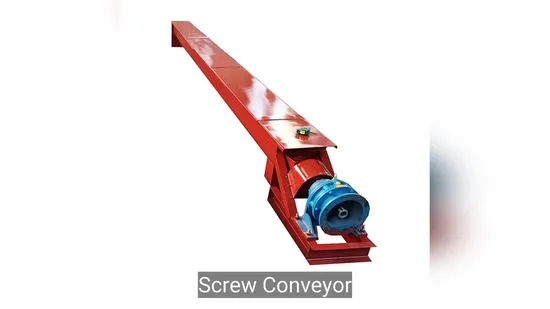 Durable Auger Conveyor System for Bulk Material Transport - Screw Conveyor and Auger ConveyorRequest Quote
 Martin High-Intensity and High Wear Resistance ANSI DIN ISO JIS Standard Roller Chain Plate SprocketRequest Quote
 High Capacity Rotary Vibrating Screen for Bulk Material Separation Xzs SeriesRequest Quote
MoveCargoHub related sourcing paths
MoveCargoHub procurement phrases
MoveCargoHub related product samples
Belt conveyor has the advantages of big conveying amount, simple structure, convenient maintenance and standard spare pa...
Conveyors and Sortation Mini Size Corn Grain Suction Machine Flexible Pipe Screw Conveyor - Flexible Screw Conveyor and RedMini Size Corn Grain Suction Machine Flexible Pipe Screw Conveyor Introducing our cutting-edge Flexible Hose Pipe Auger ...
Conveyors and Sortation Stone Gravel Belt Conveyor Equipment with Good Quality - 2026 Conveyor Belt, Conveyor price | Made-i1. Product Application of Stone Gravel Belt Conveyor Equipment With Good Quality Belt conveyor, also called rubber belt ...
Conveyors and Sortation Long Distance Overland Roller Pulley Belt Conveyor System for Port and Dock transportation ConveyingLong-Distance Overland Belt Conveyors BASIC INTRODUCTION Long distance overland flat turn belt conveyor is a continuous ...
Conveyors and Sortation Heavy Duty Belt Conveyor System for Long Distance Material Handling Mining Coal Ore Cement IndustryLong-Distance Overland Belt Conveyor BASIC INTRODUCTION Long distance overland flat turn belt conveyor is a continuous c...
Conveyors and Sortation Lbp822 Modular Conveyor Chain Plate with Rollers for Bottling and Packaging Line - Conveyor Belt andTHERMOPLASTIC TABLETOP CHAINS Thermoplastic tabletop chains are a type of conveyor chain made of thermoplastic materials...